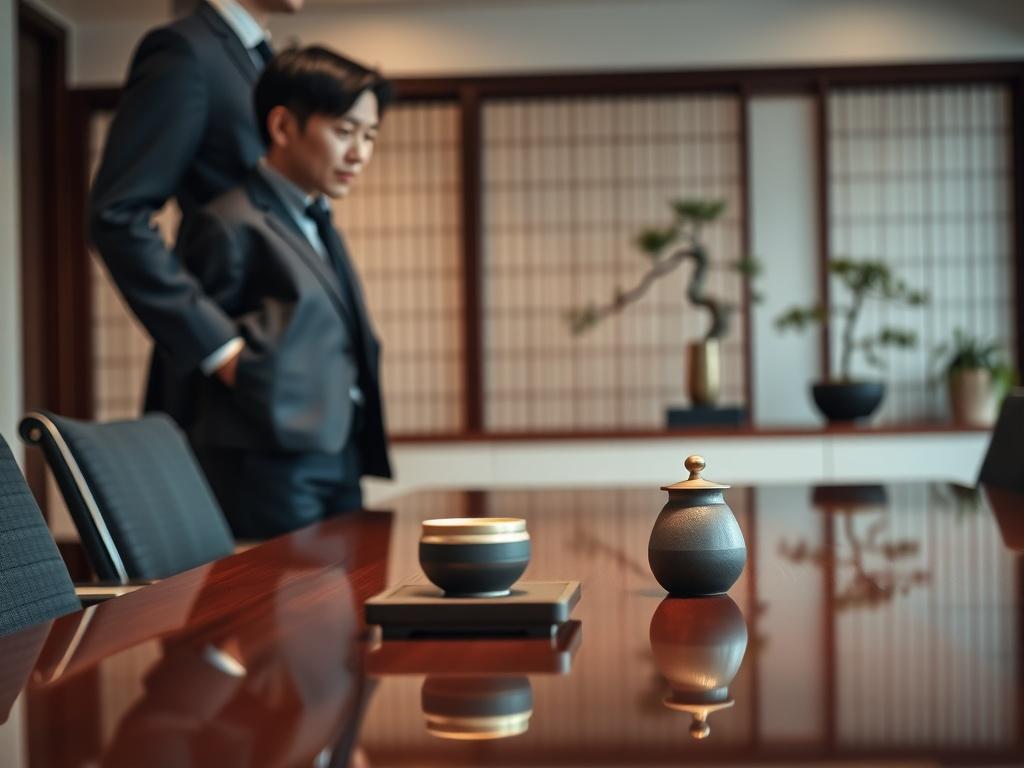
Understanding Japanese business etiquette is crucial for anyone looking to thrive in the dynamic world of international business. Mastering the art of Japanese business interactions requires more than just linguistic skills; it demands a deep appreciation of the cultural nuances that shape professional relationships in Japan. From the importance of body language to the subtleties of gift-giving, a solid grasp of these key cultural insights can set the stage for successful collaborations and enduring partnerships.
In this blog post, we will delve into essential practices to help you navigate the intricate landscape of Japanese business interactions effectively. While understanding the do's and don'ts can significantly enhance your professional engagements, avoiding common pitfalls is just as vital to fostering goodwill and trust. Whether you are preparing for a negotiation or attending a business meeting, our guide will equip you with the knowledge and confidence needed to thrive in this unique business culture.
Master the art of Japanese business interactions: Key cultural insights
Understanding Japanese business etiquette is essential for successful professional relationships in Japan. Respect and harmony form the backbone of Japanese culture, which directly influences business interactions. Japanese professionals place great emphasis on non-verbal communication, so paying attention to body language, facial expressions, and gestures is crucial. For instance, a slight bow can convey respect, while maintaining eye contact shows confidence without appearing aggressive. Additionally, understanding the importance of group harmony, or wa, will help you navigate conversations and decision-making processes more effectively, as decisions often require consensus among stakeholders.
Another key cultural insight is the significance of hierarchy in Japanese business interactions. Status and age play a critical role in how people communicate and conduct meetings. When addressing colleagues or superiors, use formal titles and a respectful tone to demonstrate your understanding of these cultural norms. Moreover, be conscious of how you exchange business cards, or meishi. Present your card with both hands, and take a moment to examine the card you receive, as this gesture shows respect for the other person’s status. By incorporating these cultural insights into your approach, you will enhance your ability to engage in meaningful business interactions and build lasting relationships in Japan.
Essential practices to master the art of Japanese business interactions
To effectively master the art of Japanese business interactions, you must prioritize building relationships based on respect and trust. Start by greeting your Japanese counterparts with a polite bow, as this gesture signifies humility and acknowledges the importance of the meeting. Exchange business cards with both hands, presenting the card so that the recipient can read it. Take a moment to examine the card carefully before placing it in a cardholder, never just sticking it in your pocket. This practice demonstrates that you value the relationship and appreciate the effort put into the business connection.
Moreover, communication in Japanese business culture often leans towards indirectness. To navigate this, practice active listening and read between the lines when receiving feedback or discussing ideas. Allow moments of silence in conversations, as they are a natural part of the communication process in Japan and signal consideration. Additionally, avoid confrontational language and maintain a positive demeanor, even when disagreements arise. Adapting to these communication styles will enhance your interactions and pave the way for successful partnerships in the Japanese business landscape.
Common pitfalls to avoid when you master the art of Japanese business interactions
When navigating Japanese business interactions, one significant pitfall to avoid is failing to show proper respect during introductions. In Japan, the exchange of business cards, or meishi, carries considerable weight. Avoid the temptation to hastily pocket a card you receive; instead, take a moment to study it, acknowledge the person's title, and treat the card with reverence. This simple act reflects your respect for the individual and their position within the company, laying a solid foundation for a positive relationship.
Another common misstep occurs when communicating directly and bluntly. While being honest is essential in business, directness can sometimes be interpreted as rudeness in Japan. Instead, practice the art of subtlety and maintain a more diplomatic approach. Use indirect phrases and suggestions, and familiarize yourself with non-verbal cues to gauge the other party’s feelings. By adopting this more gentle communication style, you will not only avoid misunderstandings but also build rapport with your Japanese colleagues, fostering smoother interactions in the long run.